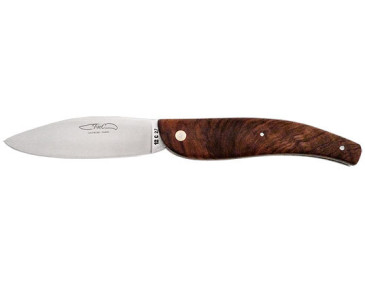
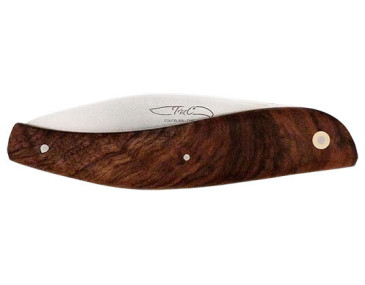
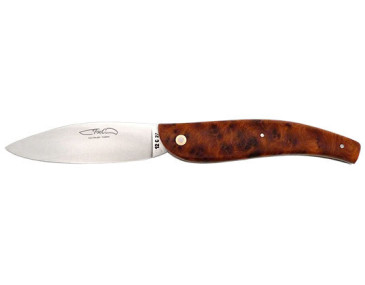
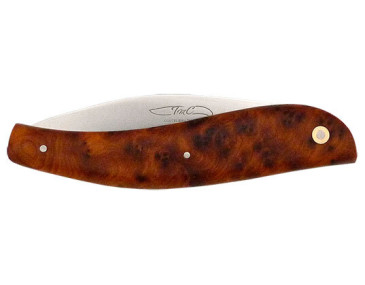
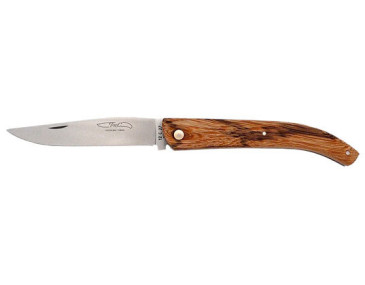
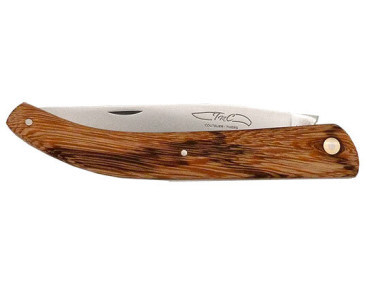
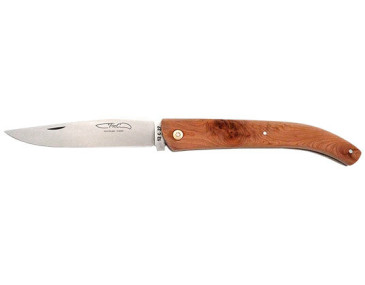
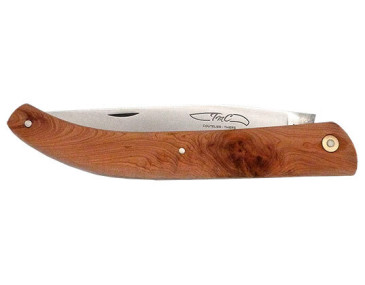
Regional knives, living heritage and artisanal craftsmanship
Regional knives occupy a unique place in the world of cutlery. Far more than simple cutting instruments, they reflect a way of life, a local culture, and a craftsmanship shaped by centuries of rural, artisanal, and peasant practices. Each regional knife was born from a specific need, linked to the daily lives of men and women who worked the land, raised livestock, hunted, cooked, or traveled long distances.
Originally, the regional knife was above all a utilitarian tool. It had to be robust, reliable, and simple, capable of accompanying its owner in all daily tasks. Often carried permanently, it served equally well for fieldwork, meal preparation, hunting, or multiple improvised uses. Its shape, mechanism, and the materials used were dictated by the local environment and the resources available in each region.
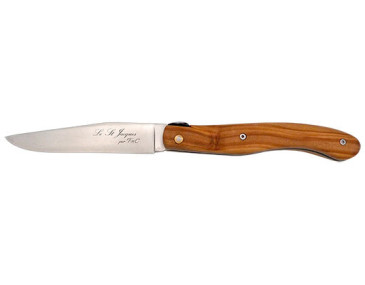
This close connection with the terroir has given birth to immediately recognizable knives. Each region has developed its own aesthetic and technical codes, making the regional knife a true identity marker. The Laguiole, originating from Aubrac, is distinguished by its slender and elegant line, its famous spring adorned with a bee or fly, and its handles in horn or noble wood. The Opinel, born in Savoie, captivates with its simplicity, its fine and efficient blade, its wooden handle, and its iconic rotating safety ring.
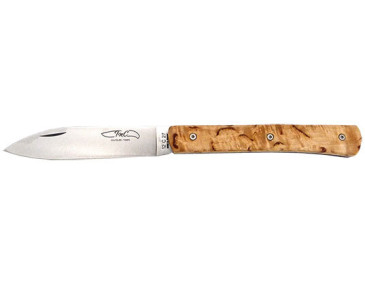
The Nontron, considered one of the oldest French knives, reflects the authenticity of Périgord with its boxwood handle and pyroengraved decorations. In Thiers, the historic capital of French cutlery, a great diversity of models has emerged, blending tradition, refined finishes, and mastered innovations. Other models, such as the Douk-Douk, illustrate a more utilitarian and minimalist approach, renowned for its robustness and formidable sharpness.
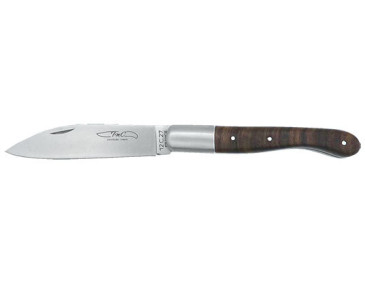
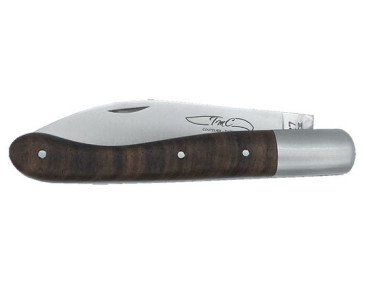
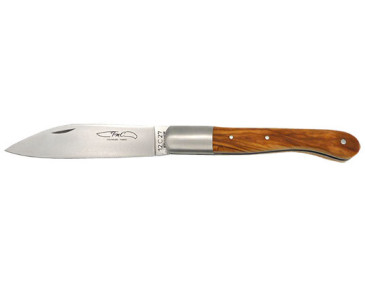
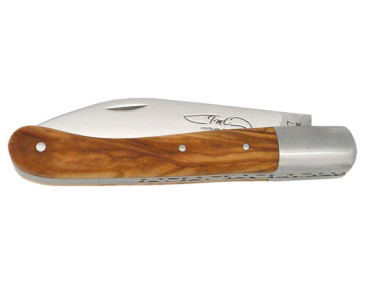
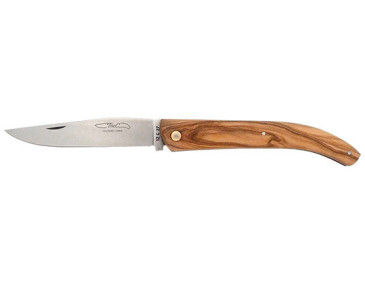
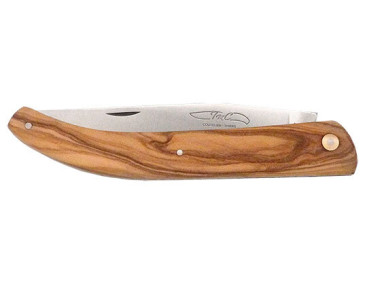
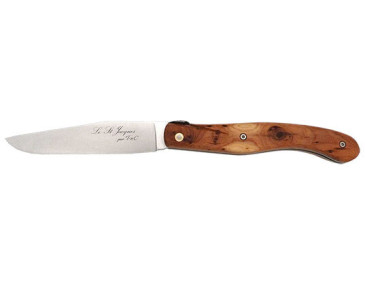
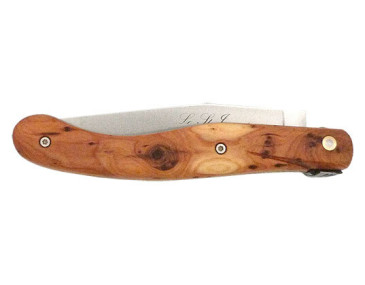
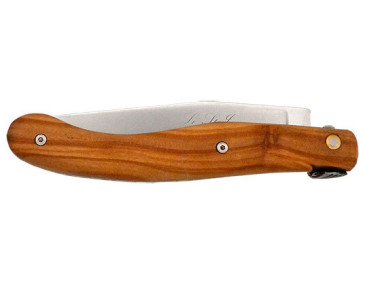
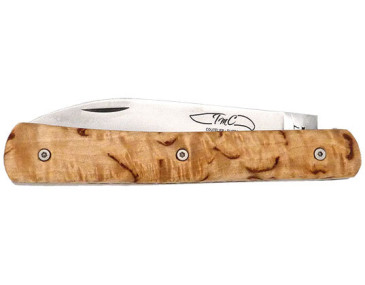
The materials used play an essential role in the character of each regional knife. Blades are generally made of carbon steel, appreciated for its fine edge, or stainless steel for its ease of maintenance. Handles use traditional materials such as boxwood, walnut, olive wood, horn, or bone, sometimes complemented by modern materials to meet current uses. Springs, often forged and decorated, add an extra aesthetic touch while ensuring strength and durability.
Today, regional knives range between respect for tradition and modernity. Some models remain faithful to ancestral forms and methods, while others adopt high-end steels, more contemporary finishes, and redesigned aesthetics. They are used as everyday pocket knives as well as utilitarian tools, collectibles, or durable and symbolic gifts.
Beyond their function, regional knives possess strong cultural and emotional value. They are often passed down from generation to generation, associated with a family origin or a cherished territory. Choosing a regional knife means opting for an object steeped in history, carrying values such as authenticity, work well done, and respect for traditions. It is this heritage dimension, combined with proven effectiveness, that makes regional knives timeless and essential pieces of cutlery.
- Historical heritage and strong local traditions
- Iconic shapes and mechanisms according to each region
- Carefully selected traditional materials
- Utilitarian, everyday, or collectible use
- Strong cultural, symbolic, and emotional value