
Your cart
There are no more items in your cart
Choosing your axe or machete
-
Categories:
Knives
Felling, splitting, pruning: between axe and machete, which to choose?
Adventurers, hikers, and wilderness survival enthusiasts know that axes and machetes are among the must-have tools. Both feature an imposing structure and a sharp blade that can overcome all obstacles: branches, trees, bushes, brush, and large game. But due to their size and configuration, it is often difficult to carry axes and machetes at the same time. This is why it's important to know how to define certain criteria, such as usage, to choose well between these two tools. How? Follow the guide!
The axe and its various variations
When we talk about axes, we tend to have the image of a lumberjack in mind. The reason is that before being used by survivalists and hikers, axes were previously intended for cutting wood. But over time, they have taken on a more versatile use so that today, they can be used for both gardening and hiking. Axes have also quickly diversified into a wide range of models to meet all needs.
The hatchet
This model lives up to its name given that it has a more compact configuration. Hunters tend to prefer it during hunting sessions for both small and large game. Maneuverability, lightness, versatility, these are all the criteria that characterize hatchets.

The standard axe
This is certainly the most popular model in the range. This "normal" axe is perfectly suited for splitting wood or felling a tree. With its length between 55 and 65 cm, it is handled with two hands.

The splitting axe
This type of axe stands out with its heavy and slightly pointed head. With its weight of 3.5 kg, it is best suited for felling and splitting a tree.

The throwing axe
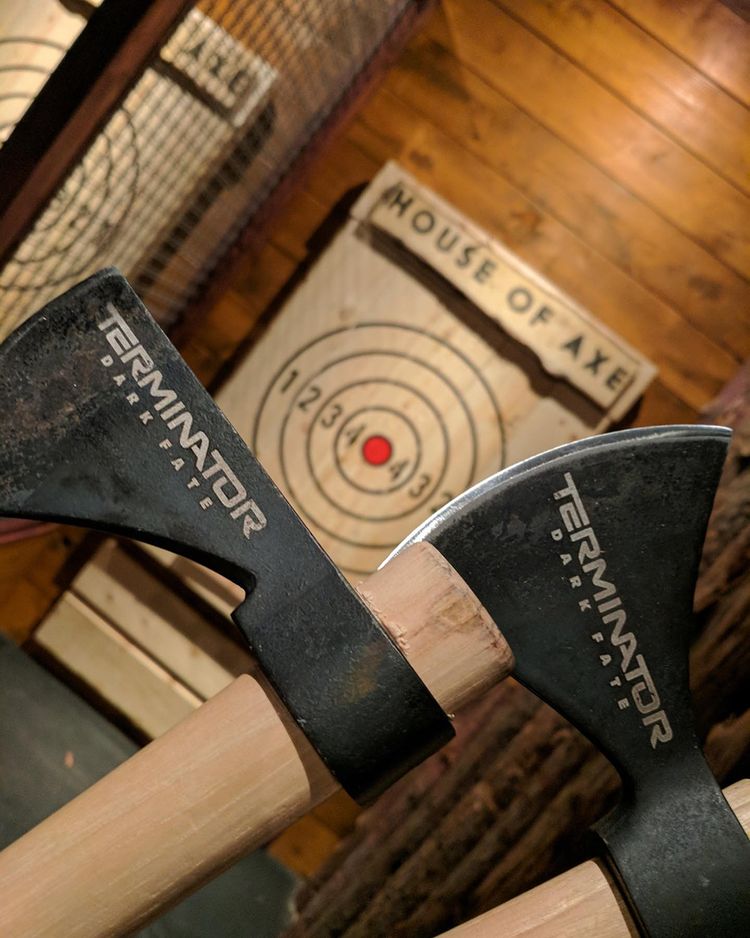
As small as a hatchet, the throwing axe is specifically dedicated to axe throwing competitions.
The machete, versatility at its highest level
The machete, with a design that balances between a knife and a sword, has long been used in the field of survival. Later, it will be equally appreciated by eco-friendly gardeners, Bushcraft enthusiasts, and cutlery collectors. It should be noted, however, that there isn't just one, but several types of machetes. The plethora of variations was launched towards the second half of the 20th century, much to the delight of collectors. Thus, you will find sugarcane machetes, kukris, bolos, and sickle machetes.
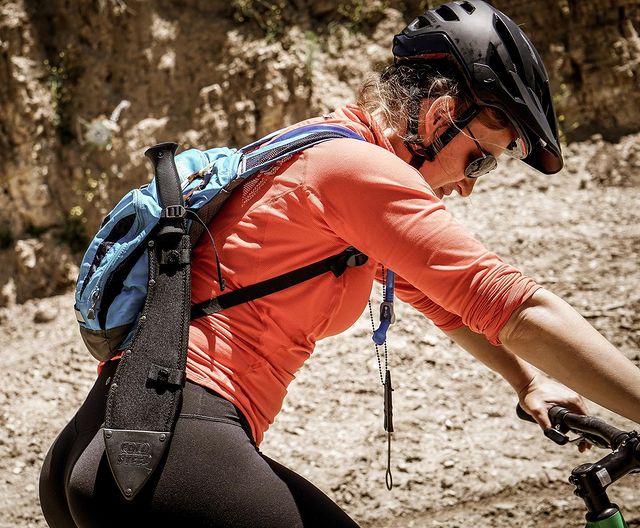
The sugarcane or tapaga models are equipped with a pointless blade that ends at a right angle. Being thick, this type of model is more popular for cutting vegetation than for hunting. As for the kukri, it is more versatile and also enjoys a more elegant design. As for the bolo machete, it closely resembles a Latin machete. The only difference is in the weight. Being heavier, it is more performant in carrying out major gardening work. Finally, the sickle-shaped models are perfect for cutting vegetation. Their design also guarantees more precision in the execution of the strike.
The verdict?
While the axe is more suitable for tree felling, the machete can be used for both hunting and garden maintenance work.